What to Expect During an Asphalt Blacktopping Project
People seeking asphalt blacktopping often want a smooth, durable surface, and local contractors can efficiently handle the project to meet their paving needs.
If you're considering an asphalt blacktopping project, understanding what to expect during the process can help ease any concerns and ensure you're prepared. Property owners in the area often explore this topic to learn about the typical steps involved, such as site preparation, the actual blacktopping, and the finishing touches. Knowing what happens at each stage can make coordinating with local contractors more straightforward and help you plan accordingly. These experienced service providers can guide you through the process, ensuring the work aligns with your property's needs and your expectations.
Keeping informed about what to expect during an asphalt blacktopping project also highlights the importance of working with trusted local service providers. Whether you're resurfacing a driveway, parking lot, or other paved area, these professionals bring the expertise needed to handle the job efficiently and effectively. As you continue reading, you'll discover practical insights into how local contractors approach each phase of the project, helping you make informed decisions and ensuring the final result enhances your property’s functionality and appearance.
- Driveway blacktopping - homeowners seeking a durable and smooth driveway surface can rely on local contractors to handle the preparation, grading, and paving process.
- Parking lot resurfacing - business owners needing to update or maintain parking areas can expect local service providers to manage the entire blacktopping project efficiently.
- Roadway blacktopping - municipalities or developers planning new roads or repairs can work with local pros to ensure proper surface application and long-lasting results.
- Basketball or sports court blacktopping - sports facilities requiring a level, high-quality surface can find local contractors experienced in blacktopping for recreational areas.
- Repair and patching services - when existing asphalt shows signs of damage, local pros can assess and perform necessary blacktopping work to restore functionality.
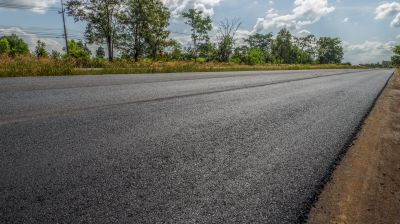
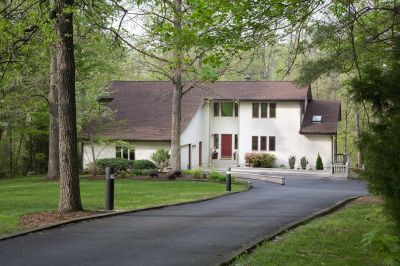
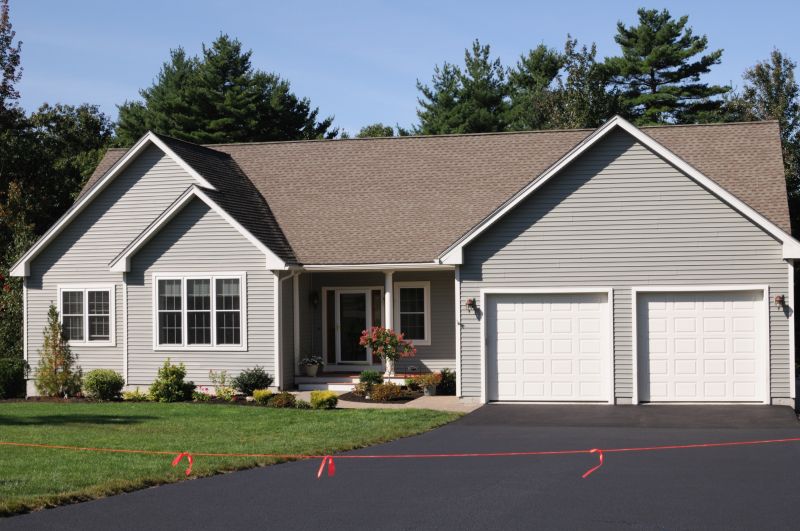
Understanding what to expect during an asphalt blacktopping project helps homeowners prepare for the process of resurfacing or installing a new driveway, parking lot, or other paved areas. When people search this topic, they often want to know how the work will unfold, what steps are involved, and how long the project might take. Typically, this includes information about site preparation, the removal of old asphalt or surface materials, and the application of fresh asphalt layers. Knowing these details can clarify the sequence of events and set realistic expectations for the appearance and durability of the finished surface, making it easier to plan around the project.
Blacktopping projects are usually related to property improvements or repairs, especially when existing pavement has become cracked, uneven, or worn out. Property owners might be considering a new driveway for better curb appeal, a parking lot upgrade for a commercial space, or a repair to fix potholes and surface deterioration. These projects often involve plans to improve safety, accessibility, and overall property value. Local contractors who specialize in asphalt blacktopping can assess the current condition of the surface, recommend the appropriate scope of work, and execute the project efficiently, ensuring that the new surface meets the specific needs of each property.
Most asphalt blacktopping projects are carried out on residential, commercial, or industrial properties with paved surfaces. Homeowners with driveways or private paths are common clients, especially when existing asphalt needs replacing or resurfacing. Commercial properties such as retail centers, office complexes, or parking lots also frequently require blacktopping services to accommodate increased traffic or to enhance appearance. Industrial facilities may need paved areas for heavy equipment or loading zones. Local service providers understand the unique requirements of each property type and can tailor their work to match the property’s size, usage, and local regulations, helping ensure a smooth and successful project.
During an asphalt blacktopping project, property owners can generally expect several key stages. The process often begins with site preparation, which may involve removing old asphalt, cleaning the surface, and grading the area to ensure proper drainage. Next, a base layer of gravel or other materials might be installed to provide stability. The new asphalt is then laid down and compacted to create a smooth, durable surface. Depending on the scope, there may be additional finishing touches like edging or striping. Local contractors experienced in asphalt blacktopping can guide property owners through each phase, helping to clarify what the work entails and what the finished surface will look like once the project is complete.
Paving repair services - these projects involve resurfacing or fixing existing asphalt, sharing skills in surface preparation and material application similar to blacktopping processes.
Driveway installation projects - installing new driveways requires planning, site preparation, and asphalt application, aligning closely with the steps involved in blacktopping work.
Parking lot resurfacing - this type of project involves large-scale asphalt work, requiring similar planning, surface prep, and layering techniques used during blacktopping.
Roadway construction services - building or repairing roads involves extensive asphalt work, utilizing tools and planning methods comparable to those in blacktopping projects.
Asphalt patching services - patching involves surface repair and preparation, which are key components in the blacktopping process handled by local contractors.
Sealcoating services - applying protective coatings to asphalt surfaces complements blacktopping projects and involves similar surface preparation skills.
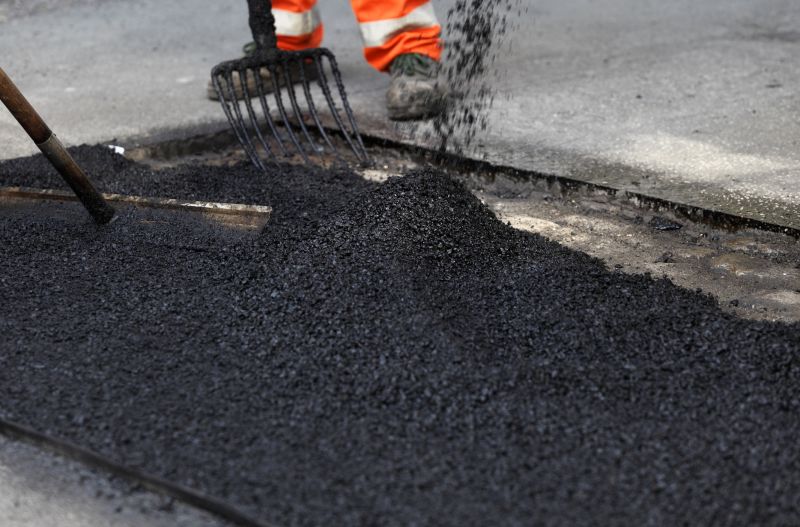
When evaluating asphalt blacktopping services, it’s important to consider the experience of local contractors with similar projects. A contractor’s familiarity with asphalt blacktopping can influence how smoothly the project proceeds and the quality of the finished surface. Homeowners should inquire about the types of blacktopping jobs the service provider has completed, focusing on projects comparable in size and scope. This helps ensure the contractor understands the specific demands of the work and can deliver results that meet expectations.
Clear, written expectations are crucial when comparing local contractors for an asphalt blacktopping project. Service providers should be willing to outline the process, materials used, and what the homeowner can expect during each phase of the project. Having this information documented helps prevent misunderstandings and provides a reference point throughout the work. Homeowners should feel comfortable asking for detailed descriptions of what the project entails and how the contractor plans to handle potential challenges.
Reputable references and good communication are key indicators of reliable asphalt blacktopping service providers. Homeowners can ask for references from previous clients who had similar work done, providing insight into the contractor’s professionalism and quality of work. Additionally, a contractor’s responsiveness and clarity in communication can significantly impact the overall experience. Service providers who are transparent, prompt, and willing to answer questions demonstrate a commitment to customer satisfaction and can help ensure the project aligns with what is expected during an asphalt blacktopping process.
Property owners often search for what to expect during an asphalt blacktopping project when they are planning practical projects around their homes and businesses. Local pros provide Asphalt Blacktopping services for everyday jobs and straightforward project options.


During an asphalt blacktopping project, property owners can expect to see a typical sequence of activities that aim to prepare the surface, lay the new asphalt, and ensure proper finishing. It’s common for local contractors to start with site preparation, which might include clearing the area and making any necessary repairs to the existing pavement. During the process, residents or business owners may notice equipment and trucks working in the vicinity, along with some noise and dust. These are normal parts of the project, and experienced service providers manage these aspects to minimize disruption while delivering a durable, smooth surface.
Throughout the project, property owners should anticipate some temporary inconveniences, such as restricted access to driveways or parking areas. Local pros often work efficiently to complete each phase, which may include laying, compacting, and finishing the asphalt surface. Once the blacktopping is complete, there might be a curing period during which the new pavement needs to set properly. Knowing what to expect during an asphalt blacktopping project can help property owners plan accordingly and understand that these steps are typical for achieving a long-lasting, quality result handled by skilled local contractors.
What should I expect during the preparation phase of an asphalt blacktopping project? Local contractors typically prepare the area by removing existing pavement, grading the surface for proper drainage, and ensuring a stable base. This step is essential for a smooth, long-lasting asphalt surface and may involve some site cleanup before the new blacktop is installed.
How does the asphalt blacktopping process unfold? During the project, local service providers will lay hot asphalt over the prepared surface, spreading and compacting it to create a durable pavement. This process usually involves multiple passes to achieve a uniform and even surface finish.
What kind of work is involved after the asphalt is laid? After blacktopping, contractors often perform finishing touches such as edging, smoothing, and ensuring proper drainage. They may also add sealants or markings depending on the project’s scope to enhance longevity and functionality.
What should I know about the curing period during an asphalt blacktopping project? While the asphalt is still curing, it may be slightly soft and susceptible to damage from heavy vehicles or sharp objects. Local pros typically advise minimizing traffic on the new surface until it has fully hardened for optimal results.
Are there any common disruptions or inconveniences during the project? Yes, local contractors may need to restrict access to the area during certain phases of the work, and there could be some noise and dust. Proper planning with the service provider can help manage these disruptions effectively.
Site Preparation - Local contractors will prepare the area by cleaning and leveling the surface to ensure proper adhesion and smooth results during the blacktopping process.
Material Application - Professionals will apply asphalt in layers, working to achieve a consistent thickness that supports long-term durability for driveways or parking areas.
Curing Process - Property owners can expect a curing period where the asphalt hardens, which may involve restrictions on heavy use to prevent damage during this phase.
Final Inspection - After completion, local service providers will inspect the blacktop for quality and finish, ensuring the surface is even and ready for regular use.
If you are thinking about what to expect during an asphalt blacktopping project for a property, this guide is meant to help you understand this topic, the typical project types, and how different options might fit your plans.
When you are ready, you can use the quote form on this page to share a few details about your project. From there, local pros can review the basics and follow up with options that match what you have in mind.